How Do Toyota Car Exporters Handle Global Shipments?
Exporting cars across countries is a detailed process that involves planning, paperwork, and logistics. For global car buyers, especially those interested in Japanese brands, the role of car exporters has become increasingly important. When it comes to reliable automotive choices, Toyota remains one of the most trusted names. Many buyers from different parts of the world prefer purchasing Toyotas directly from exporters, especially from countries where these vehicles are manufactured or sold at better prices. One of the most active roles in this market is that of a toyota car exporter, who bridges the gap between global buyers and the cars they want.
What Does a Toyota Car Exporter Do?
A Toyota car exporter works as a link between vehicle suppliers (dealers, manufacturers, or auction houses) and international buyers. Their job is not just to sell cars, but also to ensure those vehicles are shipped safely and legally to the buyer’s country. They help in sourcing the right vehicle, preparing the necessary documents, arranging inspection reports, and managing the shipping process.
Most exporters maintain a detailed listing of available models including sedans, SUVs, pickups, and hybrids. This allows buyers to view vehicle options based on year, mileage, specifications, and even color. Exporters also provide photographs, vehicle condition reports, and sometimes auction sheets to help buyers make informed decisions.
Why Do Buyers Prefer Toyota Cars?
Toyota vehicles are known for their reliability, durability, and performance. However, buying locally may not always offer the same value as purchasing through a trusted exporter. Many international buyers find better deals and broader selections through exporters. Exporters can access Japanese car auctions, dealerships, and even nearly new or unused stock. This ensures buyers get competitive pricing and a wider range of options compared to their local markets.
Moreover, exporters often help buyers with translation services for auction sheets or technical specifications. They are familiar with international shipping rules and help avoid legal or customs-related issues that could delay the delivery.
How Is the Shipping Process Handled?
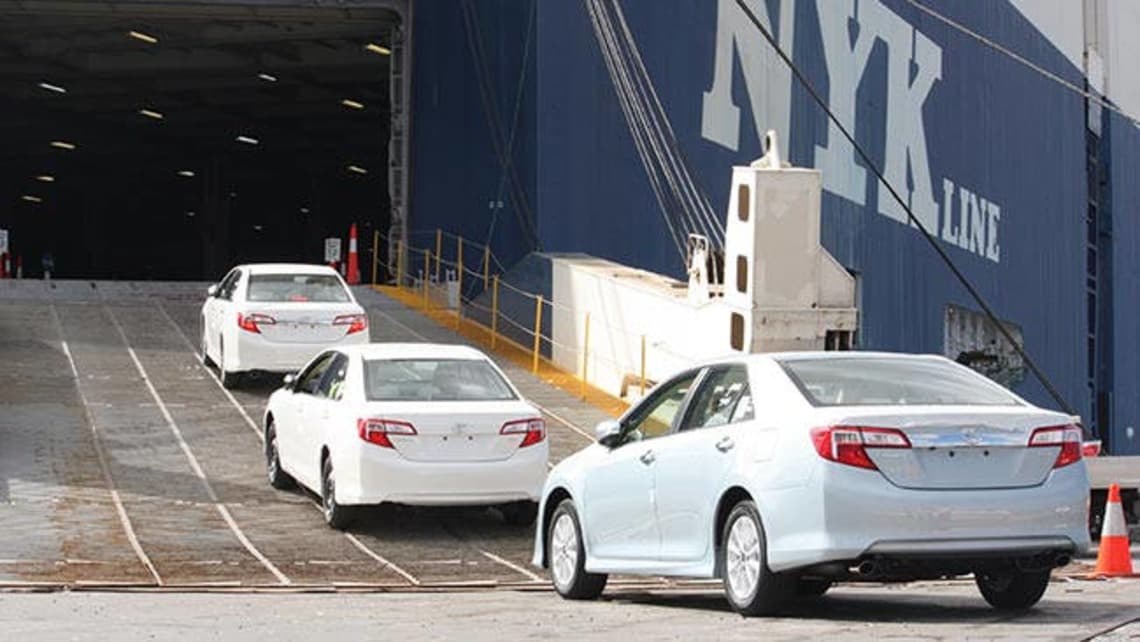
Once a buyer selects a vehicle, the exporter arranges for an inspection, prepares the export certificate, and handles all necessary documentation. The vehicle is then transported to a nearby port and loaded onto a ship. Depending on the destination, buyers can choose from two main shipping options: Roll-on/Roll-off (RoRo) or container shipping.
RoRo is cheaper and faster but may not offer the same level of protection as container shipping. For more expensive vehicles, container shipping is often preferred as it shields the car from weather and handling damage.
Exporters also provide the buyer with a Bill of Lading and tracking details so they can monitor the shipment's progress. Once the vehicle arrives at the destination port, the buyer completes the customs clearance process and arranges for local delivery or pickup.
How to Choose the Right Exporter?
Choosing the right Toyota car is key to a smooth buying and shipping experience. Look for companies with good reviews, clear processes, and responsive communication. A reliable exporter will explain all costs upfront including vehicle price, inspection fees, shipping charges, and local duties (if applicable). Many exporters also offer post-sale support, which can be very helpful for first-time international buyers.
Also Read This
Why Choosing a Reliable Toyota Car Exporter Matters for Global Buyers
Conclusion
With growing demand for Japanese cars worldwide, exporters play an essential role in making quality vehicles accessible across borders. From sourcing to shipping, they ensure that the process is secure and transparent. If you're considering purchasing a Toyota from overseas, working with an experienced exporter like Nubia Cars can give you peace of mind and great value.
Tags:
toyota export process
international car shipping
vehicle import guide


Comments
Post a Comment